PLATFORM
SaaS Shield
Multi-tenant key orchestration, BYOK/HYOK across any KMS, streaming audit trails, and crypto-agility. The platform underneath.
A practical guide for product leaders: how application-layer encryption, customer-managed keys, and AI data protection win over enterprise customers, support International sales, and unlock premium pricing tiers.
Application-layer encryption isn't only a defensive measure. For product managers and sales teams, it's a lever for:
This guide walks through the business outcomes IronCore Labs unlocks, with drill-downs to more detailed material on each.
Slack famously closed a multi-million-dollar deal with a defense contractor after adding customer-controlled keys (which they call "enterprise key management"). That's an example where offering advanced privacy and data security functionality unlocks revenue you couldn't otherwise touch.
While you have to pass the basic security checklists and spreadsheets no matter what, all of the items about who can see customer data, what country those people are in, and so on, can be handled by making it so insiders can't peek at customer data without using prescribed and agreed upon processes, if at all.
Customers get the advantages of multi-tenant cloud services while keeping their data isolated as if they were in their own dedicated infrastructure. That allows them to move off premises and lets you build trust, simplify operations, and increase your margins.
How privacy features unlock enterprise sales →
Insights from Slack and Salesforce on premium data privacy →
Three ways to justify encryption to the business →
Your largest customers in the financial, healthcare, insurance, tech, and goverment sectors likely want to hold their own encryption keys. Why? To gain some control over the data they store with you. Bring Your Own Key (BYOK) and Hold Your Own Key (HYOK) are premier features at top SaaS companies for a reason: customers will pay a premium to be able to revoke access from you, your employees, and any future hackers.
Most teams that try to build BYOK themselves find it much harder than they realized. It's hard to charge premium prices for something you hacked together for one customer's needs. Read what to avoid before you start, or just start with IronCore, the experts with the strongest platform to get you there quickly.
BYOK explainer →
Five things SaaS companies get wrong with BYOK →
Customer-Managed Keys Buyer's Guide →
Why financial customers are pushing for BYOK →
Customers are right to worry about their data flowing through AI. Every AI feature added to your system is likely creating a new copy of customer data in the form of vector embeddings, RAG indexes, and fine-tuned models. These can be inverted back to a near-perfect copy of the source text, faces, or images. Enterprise customers worry about their data, what's flowing to third parties, what decisions are being made automatically and how reliable they are, and more. With IronCore, you can unblock worries about data security and privacy, and you can even train models on customer data without risking that data. This builds trust that allows for adoption of new features and the associated revenue increases.
Cloaked AI encrypts vector embeddings while still letting them be used for the search that powers RAG. You ship the AI feature; the customer's data stays unrecoverable. If they're holding their own keys, they protect their AI data, too. IronCore removes a huge class of security objections from your sales cycle and makes "we trained a model on your data" a non-issue.
When customers say "don't train on our data" →
Why we built Cloaked AI →
Forbes: AI systems and vector DBs are generating new privacy risks →
RAG security risks explained →
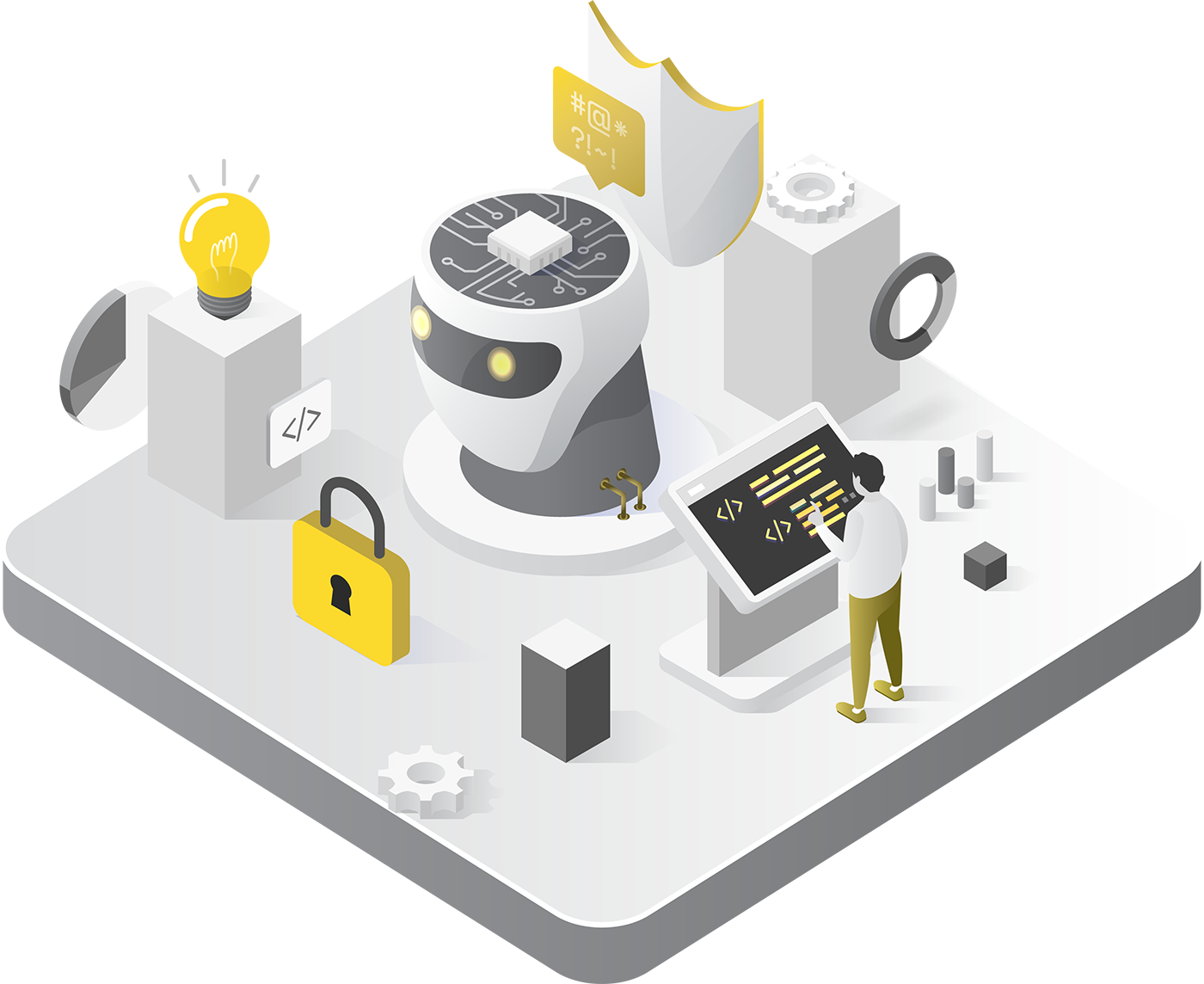
Build customer trust that allows for adoption of new features. Unblock worries about data security, privacy and even train models on customer data without privacy risk.
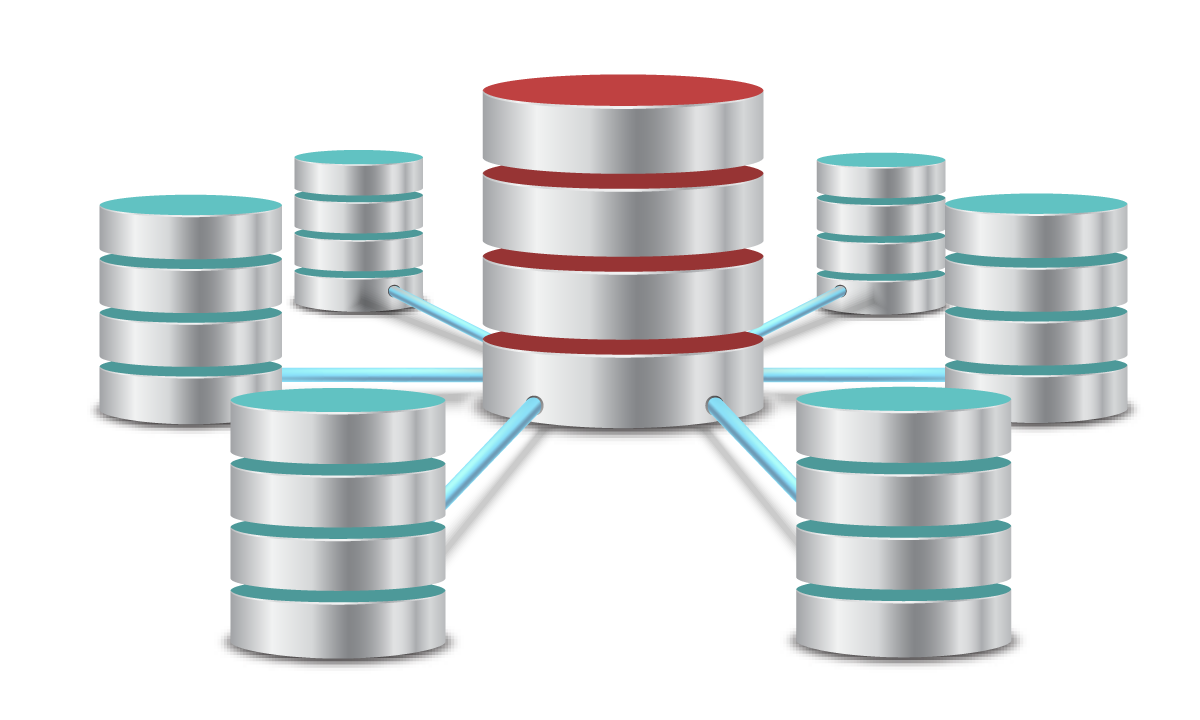
Multi-tenant SaaS brings great operational efficiencies, but a single injection bug, logic error, or compromised credential can leak all customers' data at once. And customers know this.
Per-tenant application-layer encryption gives your customers virtual isolation: every customer's data (or those who opt in or purchase the add-on) is locked with a different key, and no single query can fetch across tenants. It delivers the cost structure of multi-tenant with the trust posture of single-tenant dedicated infrastructure.
Application-layer encryption explained →
Using ALE to restrict insider access →
SaaS Shield →
There's an ongoing back-and-forth about whether the U.S. offers sufficient privacy protections for EU citizens. The US has been on then off the adequacy list of [countries that can hold EU citizen data](https://gdprwise.eu/en/kennisbank/beveiliging/approved-third-countries/) and off it with changing requirements for certification. The current agreement has a large risk of getting struck down again at some point.
Beyond the Schrems drama (the person behind a series of related lawsuits), there's a movement on a country-by-country basis to pass data sovereignty laws, which basically require that a specific country's laws need to be applied in order for law enforcement of any jurisdiction to access data belonging to people or companies in that country. This used to be called Data Residency, which just focused on where the data was stored, but as laws have evolved, it's become more about who can access the data and under whose authority.
Schrems II, GDPR, and the EU-US Data Privacy Framework all converge on the same answer: encryption with in-country keys can turn a wildly expensive and difficult project into a configuration setting.
That's the difference between adding a new region to your sales coverage in a quarter versus standing up an entirely separate cloud presence with in-country employees.
Data sovereignty technical measures explainer →
The Trans-Atlantic Data Privacy Framework, broken down →
How to handle EU data without Privacy Shield →
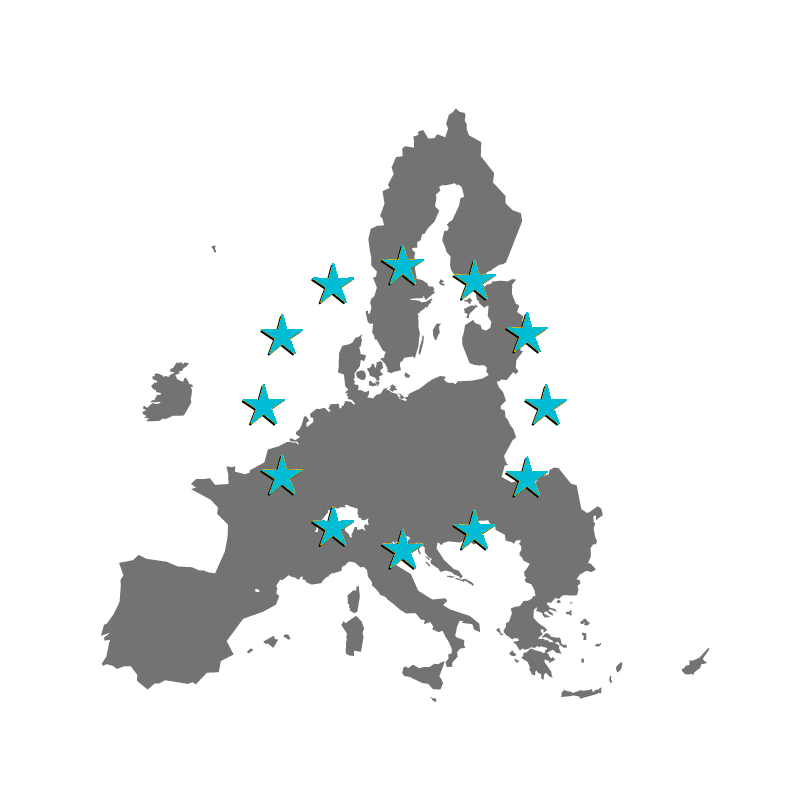
Encryption with in-country keys can turn a wildly expensive and difficult project into configuration setting.
When embarking on the journey of advanced encryption, you must inevitably ask the question: buy or build? And there are two main things you need to keep in mind: the total cost of ownership, and time to market.
Engineering teams routinely underestimate the time and cost of building application-layer encryption in-house. They also underestimate what it takes to maintain it.
Anyone can call an encryption algorithm, but designing a secure, performant, scalable system that handles the many edge cases is hard. Per-tenant key isolation, encrypted search, BYOK/HYOK across multiple KMSes, audit trails, performance tuning, key rotation, revocation, crypto-agility for post-quantum, and the SDK work to make all of it usable across services: every one is a project on its own. Get the architecture wrong and you'll be mired in maintenance hell and frustrated every time you discuss it with a customer.
IronCore has been doing this for a decade. The SDKs are open source and audited, the algorithms are documented, and the product is SOC 2 Type 2 certified.
Should you build your own ALE? →
Should you use MySQL's encryption? →
A checklist to quickly evaluate SaaS security →
Named a Cool Vendor in Data Security for vector encryption and AI data protection. Also cited in Gartner's quantum cryptography research.
Read the announcement →Original research on attacks against GenAI data and shadow data in fine-tuned models, with practical defenses.
DEF CON 32: Vector encryption →Hidden risks of integrating AI: how embedding inversion and shadow data turn AI features into data-exfil paths.
OWASP Global 2025 talk →CEO Patrick Walsh contributes regularly on AI privacy, post-quantum, and data sovereignty.
Forbes: AI vector DB privacy risks →Annually re-certified for SOC 2 Type 2, regular pen-tests, with code-audited open source SDKs and a responsible disclosure program.
Trust Center →Building application-layer encryption since 2015. Used in production by household-name SaaS companies, including HubSpot, Broadcom, and Norwegian Cruise Line Holdings.
Our vision →Multi-tenant key orchestration, BYOK/HYOK across any KMS, streaming audit trails, and crypto-agility. The platform underneath.
Encrypt vector embeddings while preserving nearest-neighbor search and metadata filters. Removes the AI shadow-data risk.
Search encrypted fields in Elasticsearch or OpenSearch. Search keeps working; the search service never sees plaintext.
Patented re-encryption tech for cryptographic access control, true E2EE, and zero-trust sharing across organizations.
Watch a real notes app where every note is encrypted with SaaS Shield, search still works on the encrypted data, and an embedded AI feature operates over encrypted embeddings. All stored data is protected.

IronCore works with product leaders to scope where encryption can unlock revenue and to map the integration. There's no obligation, and the conversation is technical rather than sales-y.